Step 01
Follow the curiosity
Every article starts as a question that will not let go — why is the sky dark at night, what are we actually made of, how does a cell decide to divide. The best pieces begin with a genuine itch, not a news hook.
Science Blog
Big ideas in space, biology, physics, and climate — written to be understood, not to impress. Accurate enough for the curious, clear enough for everyone. This is placeholder copy you can swap for your own voice in a minute.

What you'll find here
Not press releases and not textbooks, but the ideas at the edge of what we know, explained so they actually land. Every article on this site is a placeholder you can edit, delete, or replace with your own writing.
01
The hardest part of science writing is not the science; it is the sentence. Every article is rewritten until a smart friend with no background could follow it without stopping.
02
Wonder is worthless if it is wrong. We build from peer-reviewed work and say plainly where the science is settled, where it is contested, and where nobody yet knows.
03
From distant galaxies to the cells in your thumb, articles are filed by discipline so you can dive into space, biology, physics, or climate on your own terms.
04
Discoveries are made by people, in the dark, mostly by being wrong first. Where we can, we show the false starts and the lucky accidents that led to the result.
05
Good science lives with doubt, and so do we. When the answer is a confident maybe, we say so rather than dressing a guess up as a fact for a better headline.
06
Understanding how something works does not shrink it; it makes it stranger and more beautiful. Every article aims to leave you a little more amazed than you started.
How this magazine works
How a story moves from a published paper to plain language — reading the research, talking to scientists, checking the math.
Step 01
Every article starts as a question that will not let go — why is the sky dark at night, what are we actually made of, how does a cell decide to divide. The best pieces begin with a genuine itch, not a news hook.
Step 02
Then comes the hard reading — the papers, the reviews, the occasional email to a researcher to check we have it right. We keep what the evidence supports and quietly drop the tidy story that turns out to be a myth.
Step 03
A cover image, a field tag, and an honest read time later, the article goes live on the manage screen. Readers browse by field, open a piece, and hopefully finish it seeing the world a little differently.
| Field | Typical question | Where the evidence stands | Read time |
|---|---|---|---|
| Space | Why is the night sky dark? | Settled, and stranger than it sounds | 8 min |
| Biology | How does a cell decide to divide? | Well mapped, edges still open | 10 min |
| Physics | What is most of the universe made of? | Confident maybe | 12 min |
| Climate | How fast are the ice sheets changing? | Strong consensus, live numbers | 9 min |
| Neuroscience | Where does a memory live? | Actively contested | 11 min |
Latest
Pick a card to dive into the full story and its illustrations. New explainers appear as they clear fact-checking, newest first.
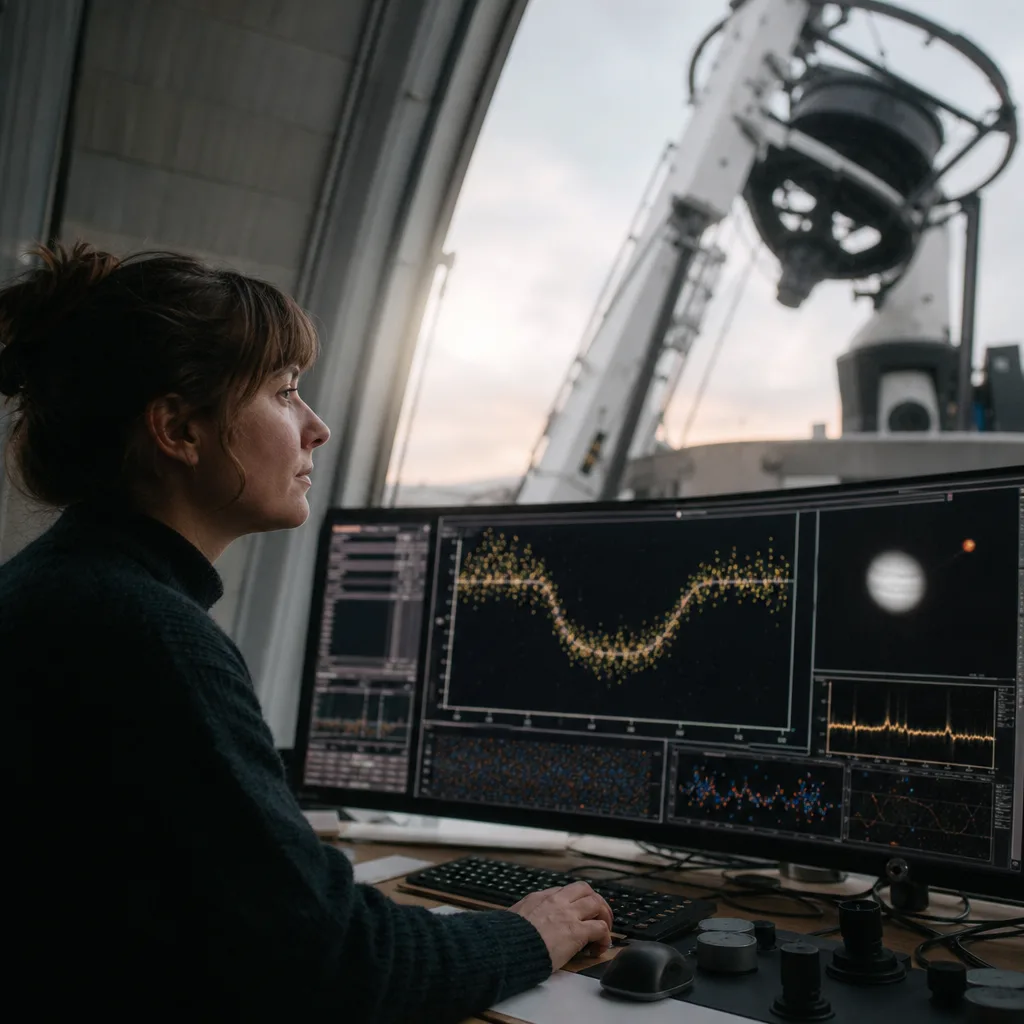 Space
SpaceOrbital mechanics
No scale in the universe is large enough. So how do astronomers put a number on the mass of a world billions of kilometers away?
7 min read
 Biology
The microbiome
You are outnumbered inside your own skin, and that turns out to be very good news for your health.
6 min read
 Physics
Relativity
Your head is aging faster than your toes, and the difference is real, measurable, and required for your phone to find you.
8 min read
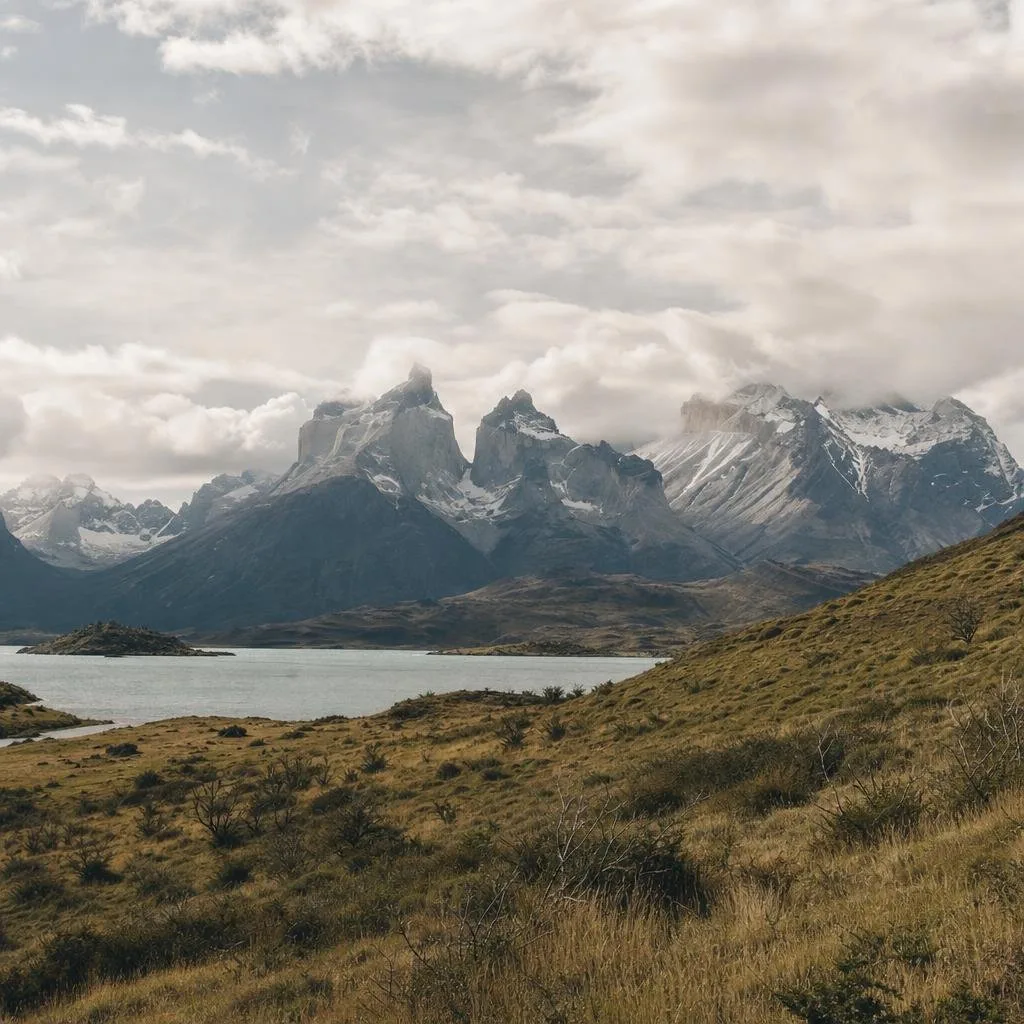 Climate
Carbon and heat
The sea has quietly absorbed most of the heat and much of the carbon we have released. That service is real, and it has limits.
7 min read
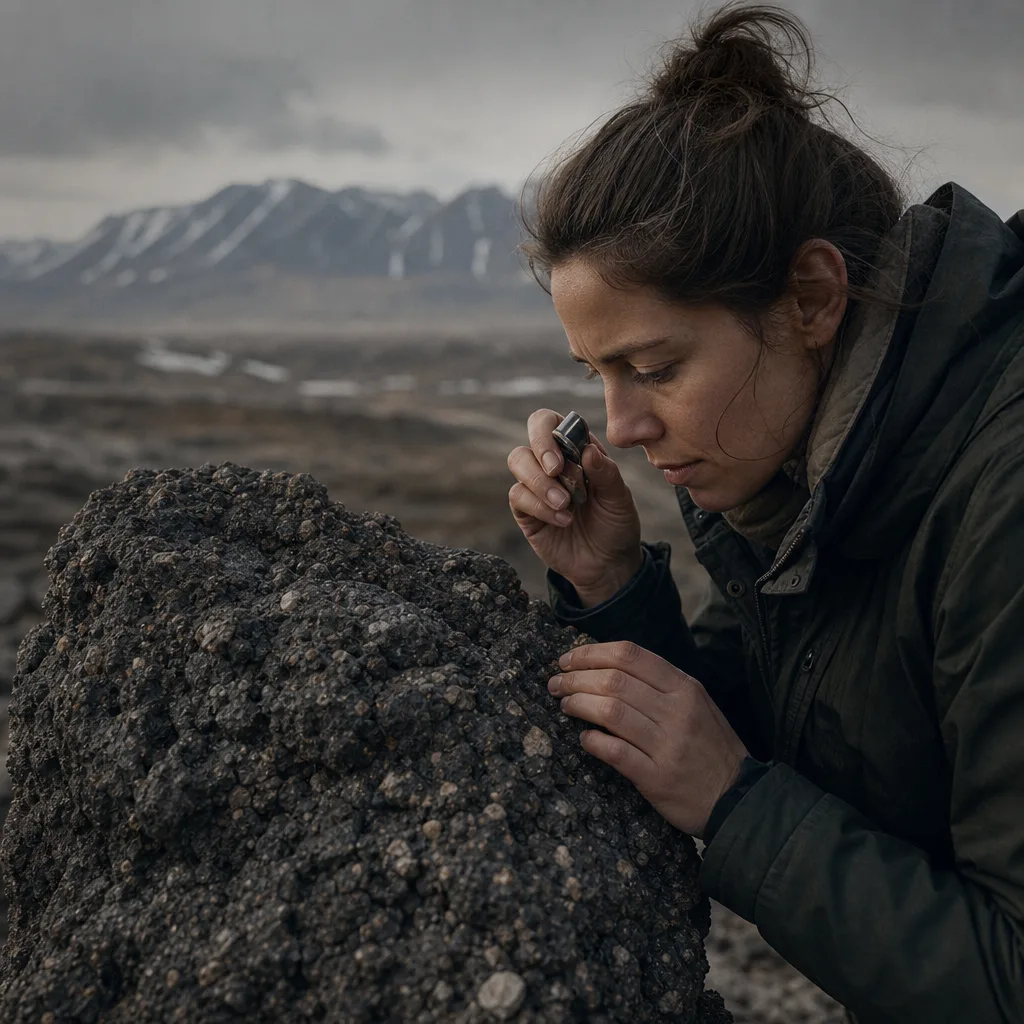 Space
SpaceNucleosynthesis
The calcium in your bones and the iron in your blood were manufactured inside dying stars. This is not poetry. It is chemistry.
6 min read
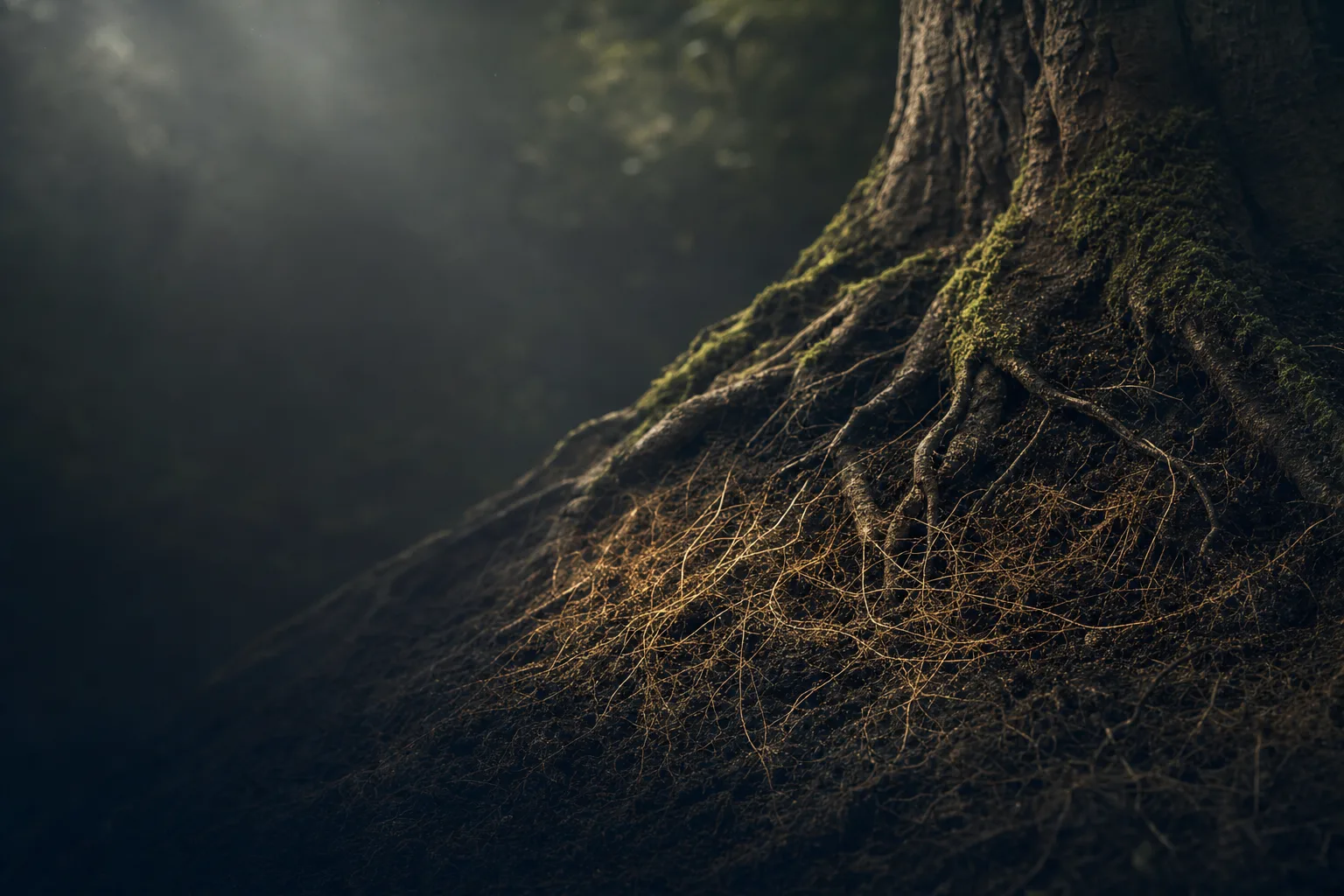 Biology
Forest ecology
Beneath a quiet forest floor runs a living network of fungi that lets trees share food, water, and even warnings.
6 min read
From fellow readers
Placeholder testimonials — replace these with real notes from the readers who follow along.
"The piece on how we weigh a distant planet finally made orbital mechanics click for me after years of glazing over. I read it out loud to my kids at dinner and they got it."
Tomas R.
High-school teacher
"I have a biology degree and still learned something from the gut-bacteria article. It is rare to find writing that respects both the science and the reader at once."
Nadia S.
Lab researcher
"The climate explainer was calm, precise, and free of doom-mongering. It gave me numbers I could actually reason with instead of a headline designed to scare me."
Hyun-woo J.
Longtime reader
Before you dive in
A few common questions from readers. Rewrite these answers to match how you actually cover science.
Not at all. Everything here is placeholder content written for a curious general reader. If a term needs explaining, we explain it in plain language the first time it appears — no prior degree required.
Add your own articles and the science behind them from the manage screen. This is your magazine to fill — one good question at a time.